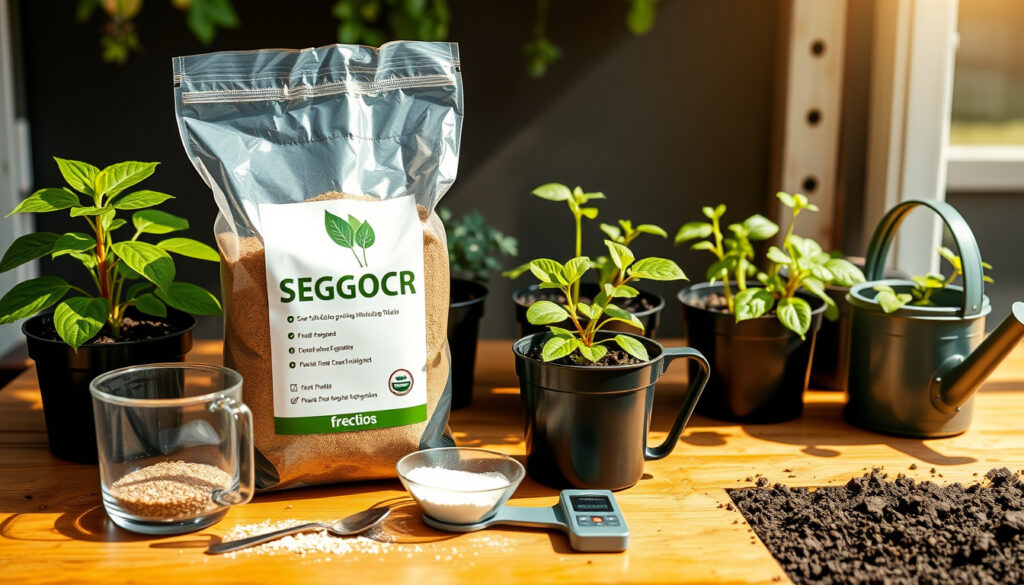
How to Dose Fertilizer for Plants: Step-by-Step Guide
Most gardeners know their plants need feeding—but when the bottle says “apply liberally,” the confusion sets in. Fertilizer burn is real, and overdoing it can wipe out weeks of careful growing. Getting the dose right comes down to simple habits that any backyard grower can follow.
Container feeding start: 6 weeks after planting (RHS) · Safe initial dilution: 1/4 to 1/2 strength (Gardening forums) · Tomato fertilizer example: 17-18-28 NPK (UMN Extension) · Granular application: Sprinkle and hoe into soil (Gardeners World)
Quick snapshot
- Read label for dose — RHS and all sources stress this first step (Royal Horticultural Society)
- Dilute to half strength to avoid burn (Gardening Community)
- Low-tech tanks: 1–2x/week liquid + root tabs every 2–6 weeks (Hygger Guide)
- Exact ml per liter without product label — varies by brand
- Aquarium dosing specifics can vary by individual tank setup
- Some natural feeding calculations lack robust validation
- High-tech ramp-up: 0% Week 1 → 50% Week 11 (Aquarium Science)
- Low-tech ramp-up: Month 1 nothing → Month 7 full dose (Aquarium Science)
- Container growers: start 6 weeks post-planting with half-strength dose
- Aquarium owners: ramp up gradually over weeks or months depending on tech level
- Monitor plant response and adjust before algae becomes an issue
The table below summarizes the key parameters used across garden, container, and aquarium dosing scenarios.
| Parameter | Value |
|---|---|
| Recommended container start | 6 weeks (RHS) |
| Beginner dilution | 1/4–1/2 strength (Gardening forums) |
| Tomato fertilizer example N | 1.7 lbs in 10 lbs 17-18-28 (UMN Extension) |
| Low-tech root tabs | Every 2–6 weeks |
| Target nitrate | 25–50 ppm |
| pH ideal | 6.5–7.5 |
| NPK fast-grow ratio | 10:2:5 |
| High-tech Week 1 | 0% |
How to Apply Fertilizer to Plants
Getting the dose right starts before you open the bag. The Royal Horticultural Society advises reading the fertiliser label and using the recommended dose as your baseline (Royal Horticultural Society). That number exists for a reason—it reflects the NPK ratio and concentration specific to that product.
Two broad application methods dominate: granular and liquid. Powdered or granular fertilisers are best sprinkled onto the soil surface and then worked in with a hoe (Gardeners World). Apply around the base of the plant, extending out to the drip line where feeder roots concentrate (Fine Gardening). For liquid feeds, dilute according to the label, then pour directly onto the soil—not over the leaves, where concentrate can scorch foliage.
- Granular: sprinkle and hoe into top 2–3 inches of soil
- Liquid: dilute, then apply to soil around the root zone
- Never apply to wilted or stressed plants—wait for recovery
The gap between “too little” and “too much” is narrower than most beginners expect. A 17-18-28 tomato fertilizer contains 1.7 pounds of nitrogen per 10 pounds of product (UMN Extension) — meaning even a modest over-application can push roots into a salt bath they won’t recover from.
Granular vs Liquid Methods
Granular fertilizers release slowly as they break down, feeding plants over weeks rather than hours. Liquid fertilizers deliver nutrients immediately to the root zone, making them ideal for fast-growing crops or plants showing deficiency symptoms. For containers, liquid is generally preferable because potting mix lacks the biological activity that slows granular breakdown.
Dosage Based on Labels
Label dosages assume average conditions—healthy soil, moderate weather, typical plant density. If your beds are rich in organic matter or you’re growing in shade, you can often go lower. The universal safety rule: start at half the label rate and watch for two weeks before increasing. The gardening community recommends measuring out between 1/4 to 1/2 strength as a starting point to play it safe (Gardening Community).
How to Dose Fertilizer for Plants in Aquarium
Aquarium plant fertilizing follows a different logic because the water column is the delivery system—and overdosing affects fish health directly. Low-tech aquariums (no CO2, low light) need liquid fertilisers applied 1 or 2 times per week, with root tabs every 2–6 weeks for crypts and swords (Hygger Guide). The substrate matters too: test nutrients and pH (ideal 6.5–7.5) before dosing for root-feeding plants.
- Low-tech: 1–2x/week liquid + root tabs every 2–6 weeks
- Medium-tech: NPK on consecutive days, iron/traces in between, 3–4x/week
- High-tech: daily dosing with CO2 injection, weekly 50% water changes
Extra potassium is safe for fish, shrimp, and snails and does not cause algae—but overdosing other nutrients absolutely can. Algae blooms are often the first sign that your dosing outweighs what your plants can consume.
Aquarium-Specific Ratios
Two dosing methods dominate aquarium horticulture: Estimative Index (EI) and PPS-Pro. The EI method uses a dosing pump for consistent nutrition, followed by weekly water changes (Hygger Guide). PPS-Pro daily dosing targets 1.0 ppm NO₃ daily using 1.0 mL macros and 0.5 mL micros per 10 gallons (Green Leaf Aquariums). The implication: EI delivers more total weekly nutrients (approximately 30 ppm NO₃) while PPS-Pro aims for steadier, lower-level nutrition (7 ppm weekly NO₃).
Frequency Adjustments
Ramp-up schedules prevent algae by letting the tank adjust gradually. High-tech tanks start with nothing in Week 1, move to 3% in Week 3, 6% in Week 5, 12% in Week 7, 25% in Week 9, and reach 50% by Week 11 (Aquarium Science). Low-tech setups follow a slower timeline: Month 1 nothing, Month 2 3%, Month 3 6%, Month 4 12%, Month 5 25%, Month 6 50%, reaching 100% by Month 7 (at 20% the concentration of high-tech dosing) (Aquarium Science). Test weekly with strips to reach 25–50 ppm nitrate; continue dosing even at 75+ ppm if the nitrate comes predominantly from fertilizer and not from fish waste (Aquarium Co-Op).
Feeding Plants in Containers
Containers are nutrient traps in the best sense—controlled feeding, no competition from surrounding plants—but they also concentrate salts. The Royal Horticultural Society recommends feeding about six weeks after planting, once the initial potting mix nutrients have been consumed (Royal Horticultural Society). This window aligns with when roots have established enough to efficiently uptake what you add.
- Wait 6 weeks post-planting before starting fertilizer
- Use liquid fertilizer for pots—granular can accumulate unevenly
- Monitor for burn: yellowing leaf tips, wilting despite moisture
Potted plants live in a closed loop. Unlike garden beds where microbes and weather naturally cycle nutrients, containers demand intentional feeding. Miss the 6-week window, and you’ll see the difference in growth rate and flower production within days.
Timing for Pots
For most annuals and vegetables in containers, the feeding clock starts when you see roots emerging from drainage holes or when the plant’s growth rate visibly slows despite adequate water. Slow-release granular fertilizers eliminate some of this guesswork, but they still require soil incorporation and water to activate. Liquid feed gives you precision—dilute, water, done.
Indoor Plant Food Use
Indoor plants often need less frequent feeding than outdoor containers because light levels are lower and growth is slower. During fall and winter, cut back to half the summer frequency. Never feed a dormant or stressed plant—the nutrients will accumulate as salts rather than being taken up.
The pattern: indoor plants reward patience—underfeeding rarely kills, but overfeeding does.
Best Fertilizer for Outdoor Plants
Outdoor beds have more variables than containers: existing soil fertility, companion plants, rainfall, and temperature all influence how much your plants actually use. A balanced all-purpose fertilizer (10-10-10 NPK) works for most situations, but specific crops benefit from targeted ratios. The University of Minnesota Extension cites a tomato-specific 17-18-28 formulation where 10 pounds contains 1.7 pounds of nitrogen (UMN Extension). That higher potassium ratio supports fruit development over foliage.
- General garden: balanced 10-10-10 or similar
- Fruiting vegetables: higher potassium (14-7-21 range)
- Leafy greens: higher nitrogen (24-8-16 range)
- Flowers: moderate NPK with micronutrients
High-nitrogen fertilizers applied late in the season promote lush foliage at the expense of fruit or flower production. Tomatoes that keep growing leaves instead of ripening fruit are often the result of over-feeding, not under-feeding.
General Garden Options
Organic options (blood meal, bone meal, fish emulsion) release slower than synthetics but build soil biology over time. Synthetic granular fertilizers give quicker results but can leach with heavy rain. For sandy soils prone to leaching, consider split applications—half the seasonal rate applied twice rather than one large dose.
NPK Examples
NPK ratios tell you the balance of primary nutrients. The first number is nitrogen (foliage growth), second is phosphorus (root and flower development), third is potassium (overall plant health and disease resistance). A 10-2-5 ratio matches the fast-grow target for aquarium plants cited in fertilization guides (Hygger Guide), but for outdoor beds, your soil test results should drive the choice more than a generic ratio.
The implication: match your NPK ratio to your goal—fruiting, foliage, or root development—not to what’s popular.
How to Feed Plants Naturally
Organic feeding works on the same principles as synthetic—delivering nitrogen, phosphorus, and potassium—but through slower-release materials that feed the soil ecosystem rather than the plant directly. Compost is the most versatile natural option: apply a 2–3 inch layer as a top dressing or work into the top 6 inches before planting. Worm castings, fish emulsion, and seaweed extract are liquid alternatives that provide micronutrients alongside the NPK base.
- Compost: 2–3 inch top layer or worked into beds
- Worm castings: gentle, slow-release top dressing
- Fish emulsion: dilute 2 tbsp/gallon, apply monthly
- Seaweed extract: low-nitrogen, high-potassium trace mineral source
Natural feeds cost more per unit of nutrient and release unpredictably—which is fine for established beds but frustrating when you need quick results on deficient plants. The pattern for most gardeners: synthetic for a targeted fix, organic for long-term soil building.
Organic Alternatives
Blood meal (12-0-0) handles nitrogen boosts; bone meal (3-15-0) supports root development; wood ash (0-1-20) raises potassium and pH. These amendments take weeks to become available as soil microbes break them down. For faster organic results, worm tea—aerated compost tea brewed for 24–48 hours—delivers beneficial microbes that make existing soil nutrients more plant-available.
Homemade Dosing
Kitchen scraps make poor direct fertilizers but compost beautifully. Banana peels steeped in water provide potassium; eggshell tea adds calcium; wood chip or leaf mold creates humus. None of these replace a balanced fertilizer program, but they reduce the volume of purchased inputs over time. The key discipline: compost consistently, apply it consistently, and test your soil annually to know what’s actually in your beds.
What this means: homemade inputs supplement rather than replace commercial fertilizers for most growing situations.
Upsides
- Half-strength dosing prevents burn across most plant types
- Granular and liquid methods suit different gardener preferences and schedules
- Low-tech aquarium dosing (1–2x/week) requires minimal equipment
- 6-week container start aligns with natural nutrient depletion timing
Downsides
- Label dosages assume ideal conditions—may not match your specific setup
- Aquarium nutrient calculations require testing equipment and reference charts
- Organic natural feeds release unpredictably, making precision dosing harder
- Overdosing causes visible burn and requires flushing to reverse
Be sure to read the fertiliser label and use the recommended dose — it exists for a reason. — Royal Horticultural Society
As long as the nitrate comes predominantly from the fertilizer and not from fish waste, then your plants will thrive. — Aquarium Co-Op
Getting fertiliser dosing right comes down to three habits: read the label before you open the bag, start conservatively and watch the response, and adjust based on what your plants actually show you rather than what the schedule says. The difference between thriving and struggling often lives in that first half-strength dose you almost skipped.
Related reading: How to Set Up a Home Office: Guide, Costs & Tax Tips · How to Cut Your Own Hair: Pro Tips for Home Cuts
hygger-online.com, aquatrition.in, aquariumscience.org, youtube.com, youtube.com, youtube.com, 2hraquarist.com, youtube.com
Gardeners seeking organic slow-release options often choose blood and bone fertilizer to safely enrich soil without risking fertilizer burn on plants.
Frequently asked questions
What is NPK in fertilizers?
NPK stands for nitrogen (N), phosphorus (P), and potassium (K)—the three primary macronutrients plants need in largest quantities. The ratio on a fertilizer label (like 10-10-10 or 17-18-28) shows the percentage of each nutrient by weight in the product.
How often to fertilize houseplants?
Most houseplants need feeding every 2–4 weeks during the growing season (spring and summer) and less frequently—or not at all—during fall and winter dormancy. Always dilute to half strength to avoid salt buildup in pots.
What causes fertilizer burn?
Fertilizer burn occurs when excessive salts accumulate around roots, drawing moisture away from plant cells. Symptoms include brown leaf tips, wilting despite moist soil, and yellowing. Flushing with plain water can help if caught early.
Can I use coffee grounds as fertilizer?
Coffee grounds add organic matter and a small nitrogen boost, but they acidify soil over time and can compact. Use them sparingly in compost rather than direct application, or use them specifically for acid-loving plants like blueberries.
Is rainwater better for diluting fertilizer?
Rainwater is softer than tap water (lower mineral content), making it ideal for diluting fertilizer in areas with hard water. It also avoids the chlorine and chloramine present in many municipal water supplies, which can affect soil microbiology.
How to store unused fertilizer?
Keep granular fertilizers in their original sealed bag inside a dry storage area. Liquid fertilizers should be stored upright, sealed, and away from temperature extremes. Moisture causes caking in granular products; freezing can separate liquid concentrates.
Differences between slow-release and quick fertilizers?
Slow-release fertilizers (organic amendments, polymer-coated synthetics) feed plants over weeks to months as microbes or water penetrate the coating. Quick fertilizers (liquid feeds, water-soluble granules) deliver nutrients immediately but require more frequent application to maintain levels.
More related posts
 Time in Gold Coast Australia: Current, Time Zone & Differences
 Ozempic NZ Buy Online – Legal Guide Prices Safety 2025
 India Women vs New Zealand Women: Head-to-Head & Scorecard
 Love Quotes for Her: 100+ Heart-Melters From Top Sources
 The Good Wine Company: Wine Rules, Health & Celebrity Favorites
 Trade Me Horses for Sale: Costs, Breeds & Beginner Tips
 Te Anau to Queenstown: Bus, Drive & Which Base Is Best
 Reduced to Clear Rotorua: Hours, Savings & Shopping Guide
