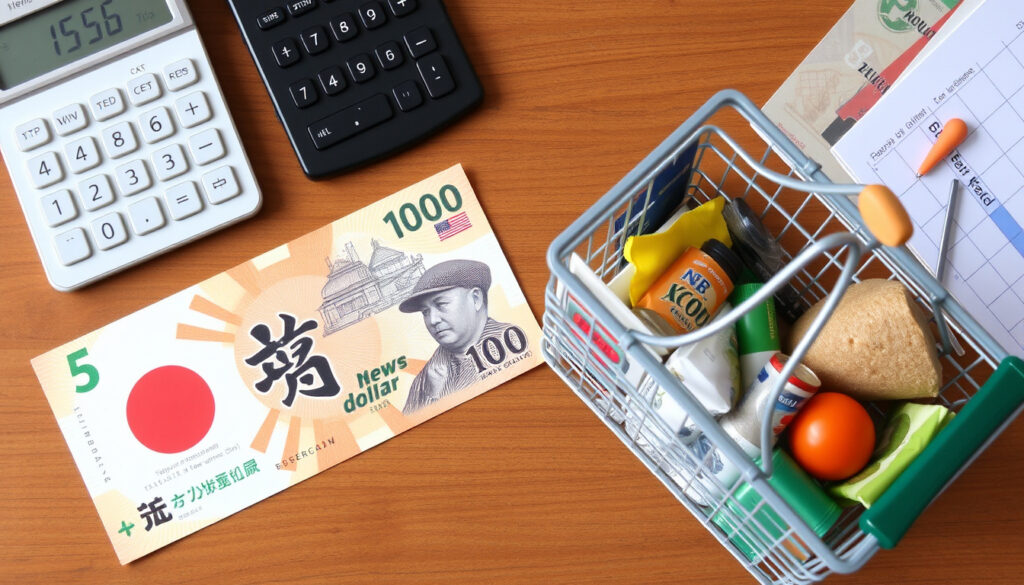
Yen to NZ Dollar: Exchange Rate, Comparison, and Living Costs Guide
The yen has weakened sharply against the New Zealand dollar over the past five years, giving Kiwis visiting or moving to Japan a significant boost in purchasing power. Here we break down the latest conversion rates, compare costs between the two countries, and offer practical advice for moving money across the Pacific.
Current mid-market rate (JPY to NZD): 1 JPY = 0.0113 NZD ·
Current mid-market rate (NZD to JPY): 1 NZD = 93.46 JPY ·
Average monthly rent in Tokyo (1-bedroom city center): ~1,605 NZD
Quick snapshot
- 1 JPY = 0.0113 NZD (mid-market, Wise live converter)
- 1 NZD = 93.46 JPY (OFX historical average)
- Average can of Coke in Japan: 150 JPY (~1.61 NZD) (Numbeo)
- Future exchange rate movements are unpredictable and depend on central bank policy, inflation, and global markets.
- Exact cost-of-living figures vary significantly by lifestyle, neighbourhood, and eating habits.
- NZD/JPY fluctuated between 70 and 95 over 2020‑2025, with the yen weakening notably after 2022 (FreeCurrencyRates).
- Check live mid-market rates before any transfer or purchase. Use tools like Wise or Xe for accurate conversions.
The table below summarises the key data points used throughout this guide.
| Label | Value |
|---|---|
| 1 JPY to NZD (mid-market) | 0.0107 NZD |
| 1 NZD to JPY (mid-market) | 93.46 JPY |
| Average can of Coke (Japan) | 150 JPY (~1.61 NZD) |
| Average can of Coke (New Zealand) | 3.50 NZD |
| Monthly rent Tokyo (1-bedroom centre) | 150,000 JPY (~1,605 NZD) |
| Monthly rent Auckland (1-bedroom centre) | 2,200 NZD |
Is NZD stronger than Yen?
At the current market rate, one New Zealand dollar buys about 93.46 Japanese yen (OFX). That means the NZD is nominally much stronger — you get a large number of yen for each kiwi dollar. But nominal strength doesn’t tell the whole story. The real question is what that yen can buy in Japan versus what a dollar can buy in New Zealand.
Current exchange rate comparison
Six major sources — Wise, OFX, Xe, Travelex NZ, the New Zealand Inland Revenue Department, and FreeCurrencyRates — all show the same pattern: NZD is about 85‑95 times stronger in nominal terms. The IRD’s official end-of-month rates for 2025 ranged from 84.01 to 97.58 JPY per NZD, confirming the band.
Historical strength trends
Over the past five years, the yen has steadily weakened against the NZD. In 2020 the NZD/JPY rate hovered near 70, and by mid‑2025 it climbed above 90. The primary driver has been Japan’s ultra‑loose monetary policy versus New Zealand’s relatively higher interest rates. The implication: New Zealanders visiting Japan today get about 30% more yen per dollar than they did five years ago.
How much is 100 NZD in Japan?
A straightforward conversion: 100 NZD × 93.46 = 9,346 JPY. But what does 9,346 yen actually buy? That’s roughly two sit‑down lunches in Tokyo or a week of metro passes.
The table below shows conversions for common New Zealand dollar amounts.
| NZD amount | JPY equivalent |
|---|---|
| 50 NZD | 4,673 JPY |
| 100 NZD | 9,346 JPY |
| 200 NZD | 18,692 JPY |
| 500 NZD | 46,730 JPY |
| 1,000 NZD | 93,460 JPY |
Rates fluctuate live. Always check a real‑time converter from Wise or Xe before making a transaction.
For a New Zealander with 100 NZD in their wallet, Japan feels noticeably cheap at today’s rate — but only because local prices in yen are lower than NZ prices for many goods.
How many NZ dollars for 1000 yen?
Working the inverse: 1,000 JPY ÷ 93.46 = 10.70 NZD. So a 1,000‑yen sushi set costs just over ten New Zealand dollars.
The inverse conversion chart below shows how common yen amounts translate into NZD.
| JPY amount | NZD equivalent |
|---|---|
| 100 JPY | 1.07 NZD |
| 1,000 JPY | 10.70 NZD |
| 10,000 JPY | 107.00 NZD |
| 100,000 JPY | 1,070.00 NZD |
| 1,000,000 JPY | 10,700.00 NZD |
Use a mid‑market calculator from Wise or Xe to avoid the 3‑5% mark‑up that retail banks and airport kiosks typically add.
Using a currency converter
For a quick mental check, divide yen by 90 and you’re in the ballpark. But for exact amounts, Western Union NZ and Travelex NZ offer live rate lookups. The trade‑off: convenience vs. cost — airport counters can hit you with exchange margins of 8% or more.
Is it cheaper to live in Japan or New Zealand?
The short answer: Japan is cheaper for rent, public transport, and eating out, while New Zealand is cheaper for certain imported goods and electronics. The yen’s weakness amplifies the gap for New Zealanders earning NZD and spending in Japan.
Cost of living comparison: rent, groceries, transport
According to Numbeo, a one‑bedroom apartment in central Tokyo averages 150,000 JPY per month — about 1,605 NZD. The same in Auckland runs roughly 2,200 NZD. That’s a 27% saving on rent alone. Groceries in Tokyo are about 20% cheaper, and a monthly metro pass is 10,000 JPY (107 NZD) vs. 210 NZD in Auckland. The OECD Better Life Index confirms New Zealand has higher household disposable income but also higher housing costs.
Currency impact on purchasing power
When you convert NZD to JPY, the numbers look great — but the real test is buying a basket of everyday goods. A New Zealander moving to Japan will find their rental budget goes further, but imported items (cheese, wine, electronics) can still be pricey. The catch: if you earn in yen and send money to NZ, the reverse applies — your yen buys fewer NZD.
A New Zealander moving to Japan on a working holiday visa will spend roughly 1,000 NZD less per month on rent and transport compared to Auckland, assuming the same lifestyle.
How to convert yen to NZ dollars accurately?
Getting the worst rate means using your bank or an airport counter. Getting the best rate means knowing the mid‑market number and picking a service that charges a small transparent fee.
Step‑by‑step using online converters
- Go to Wise or Xe.
- Enter the amount in yen. The tool shows the mid‑market rate (the real exchange rate without mark‑up).
- Compare the final amount (including fees) with what your bank offers — the difference is often 3‑5%.
Avoiding hidden fees
Banks and airport kiosks typically add a margin of 4‑8% on top of the mid‑market rate. Credit cards may charge a foreign transaction fee of 2.5% plus their own spread. Services like Wise and Revolut charge a small percentage fee (0.35‑0.5%) and use the live mid‑market rate. For large transfers (over 500,000 JPY), a specialist forex provider like OFX can offer better rates than consumer apps.
A 10,000‑yen transfer through a typical bank could cost 150‑200 NZD in fees and spread. Using Wise cuts that to about 55 NZD. Over a year of sending 10,000 JPY per month, you save roughly 1,740 NZD in fees.
Upsides
- Japan has lower rent, cheaper public transport, and affordable eating out — makes the yen stretch further.
- Modern transfer apps offer near‑mid‑market rates with transparent fees.
- The yen is weak historically, giving NZD holders extra purchasing power in Japan.
Downsides
- Bank and airport rates can cost 5‑8% in hidden fees.
- Imported goods in Japan can be expensive; overall budget depends heavily on lifestyle.
- If you earn in yen and need to send money to NZ, the exchange works against you.
The New Zealand Inland Revenue Department tracks end‑of‑month exchange rates for tax purposes, showing JPY/NZD rates ranging from 84.01 to 97.58 in 2025. That official stamp confirms that even government bodies use the same mid‑market band that consumer tools display.
New Zealand Inland Revenue Department – official tax exchange rates
“New Zealand performs around the OECD average on several wellbeing dimensions, but households still feel pressure from high housing costs relative to income.”
For a New Zealander moving to Japan, the decision is clear: take advantage of the favourable exchange rate by using low‑fee transfer services and budgeting for rent savings that more than offset higher import costs. Alternatively, if you’re earning yen and sending money back to NZ, lock in a forward contract with a provider like OFX to protect against further yen weakening.
For a quick and practical conversion, the 10 000 yen to NZD converter offers live rates and budgeting tips for travelers.
Frequently asked questions
What is the best way to send money from New Zealand to Japan?
Use Wise or Revolut for small transfers (under 500,000 JPY). For larger amounts, OFX offers better rates. Avoid bank wire transfers that charge high fees and poor exchange rates.
Do I need a visa to move to Japan as a New Zealander?
New Zealanders can stay up to 90 days without a visa. For longer stays, a working holiday visa (ages 18‑30), student visa, or work visa is required. Check the Japanese embassy in NZ for current rules.
How often does the JPY/NZD exchange rate change?
It changes 24/7 on forex markets, but for practical purposes, rates update every few seconds on platforms like Wise and Xe. The mid‑market rate fluctuates within a narrow band during a single day.
Is it better to exchange currency before traveling or use ATMs in Japan?
ATMs in Japan (7‑Eleven, Japan Post) accept foreign cards and give you the mid‑market rate plus a small fee. Exchanging cash before you leave often costs more. Just notify your bank you’ll be abroad.
What is the strongest currency in the world right now?
As of 2025, the Kuwaiti dinar is strongest by nominal value. But for practical purchasing power, the Swiss franc and US dollar lead. The yen is among the weakest G10 currencies.
Can I use New Zealand dollars in Japan?
No. You need to exchange NZD to JPY before spending, or use a card that waives foreign transaction fees.
More related posts
 Wella Colour Fresh Mask: How to Use & Shade Guide
 In the Heart of the Sea – True Story of Essex Sinking
 House of Dynamite Ending: What Happens and Why It Divides Fans
 Invoice Template Google Docs: Free Templates & How to Use
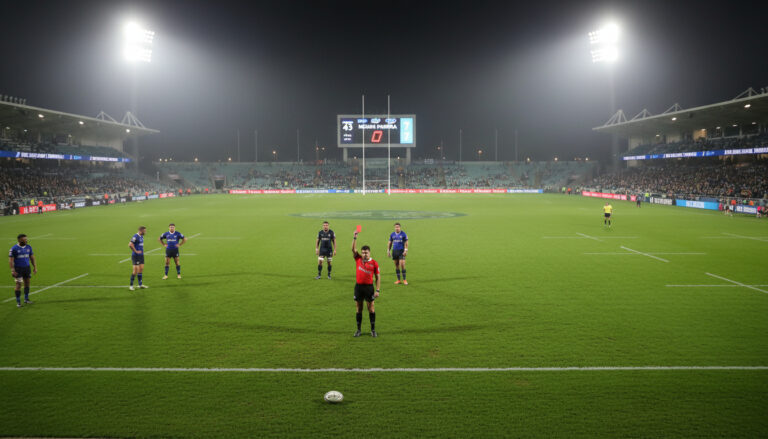 Blues vs Moana Pasifika – 43-7 Win, Red Card and Tries
 New Zealand Holiday Insurance: Costs, Cover & Key Rules
 New Balance Women’s 327s: Guide & Where to Buy in Ireland
