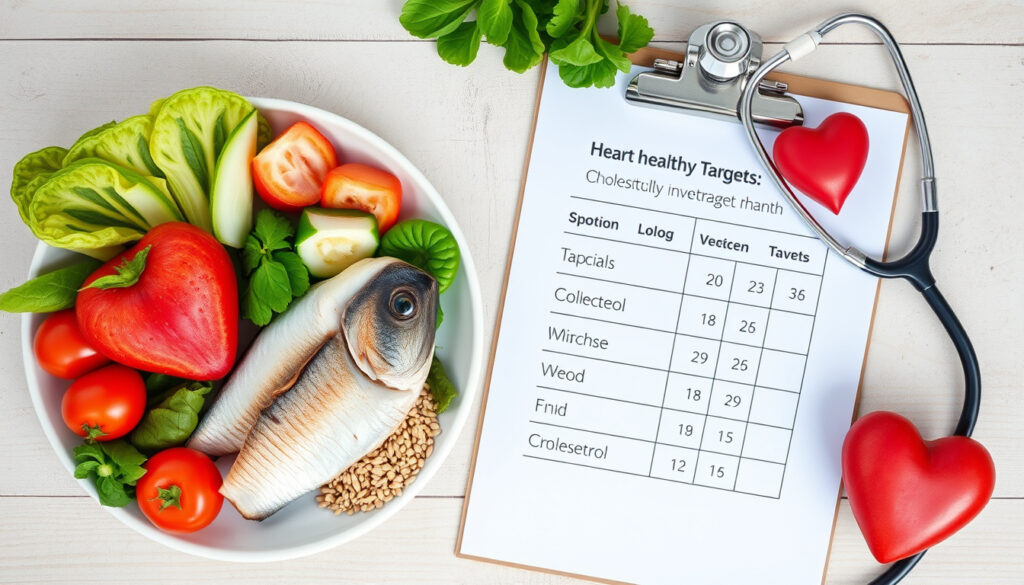
Normal Cholesterol Levels NZ: Targets by Risk Group
If you’ve had a cholesterol check and wondered what the numbers actually mean, you’re not alone — in New Zealand, the answer isn’t one-size-fits-all. Your ideal target depends on your personal risk of heart disease, with the Heart Foundation NZ recommending specific LDL goals for high-risk and low-risk groups.
Total cholesterol target (high risk): <4.0 mmol/L ·
Optimal LDL cholesterol: <2.0 mmol/L ·
Average cholesterol (NZ historical): 5.8–6.0 mmol/L ·
Normal total cholesterol (low risk): <5.5 mmol/L
Quick snapshot
- Total cholesterol <5.5 is normal for low-risk adults (Heart Foundation NZ)
- LDL <2.0 mmol/L is target for high-risk individuals (Heart Foundation NZ)
- Dietary changes can lower cholesterol by 10-15% (Mayo Clinic)
- Exact thresholds for very elderly (>80) are less defined
- Impact of long-term egg consumption still debated
- Individual response to dietary cholesterol varies
- Role of dietary cholesterol vs saturated fat in heart disease risk remains debated
- 1991: Publication of blood lipid levels in NZ (average 5.8–6.0 mmol/L) (Healthify NZ)
- 2020s: Updated Heart Foundation NZ risk-based targets (Heart Foundation NZ)
- 2025: Healthify publishes latest test interpretation (Healthify NZ)
- Check cholesterol at age 45+ even without symptoms (Heart Foundation NZ)
- Discuss risk score with GP to set personal targets (Heart Foundation NZ)
- Focus on lifestyle changes before medication (Heart Foundation NZ)
Four key numbers define cholesterol targets in New Zealand, each tied to a patient’s risk group.
| Metric | Low risk | High risk |
|---|---|---|
| Total cholesterol | <5.5 mmol/L | <4.0 mmol/L |
| LDL cholesterol | <3.0 mmol/L | <1.4 mmol/L (very high risk) |
| HDL cholesterol | >1.0 mmol/L (men), >1.3 (women) | >1.0 mmol/L |
| Triglycerides | <2.0 mmol/L | <1.8 mmol/L |
| TC/HDL ratio | <4.5 | <4.0 |
| Non-HDL cholesterol | <4.0 mmol/L | <3.0 mmol/L |
What this means: there is no single “normal” value — your target is defined by your overall cardiovascular risk profile.
Is 6.5 Cholesterol Too High?
A total cholesterol reading of 6.5 mmol/L is elevated for any adult under New Zealand guidelines.
What does a total cholesterol of 6.5 mean?
- 6.5 mmol/L sits well above the low-risk target of <5.5 and the high-risk target of <4.0
- According to Heart Foundation NZ, any total cholesterol >5.5 is considered elevated
- Risk classification requires a full lipid panel (LDL, HDL, triglycerides) and non-lipid risk factors
The implication: a result of 6.5 signals the need for a risk assessment, not panic. Many people with this number can lower it through lifestyle changes alone.
Is 5.7 mmol/L considered high?
- 5.7 is marginally above the <5.5 cutoff and should prompt discussion with a GP
- Healthify NZ states that total cholesterol >5.5 is “borderline high” for low-risk adults
- For high-risk individuals, 5.7 is already well above the <4.0 target
The trade-off: borderline numbers often respond to diet and exercise, but they also demand regular monitoring — especially after age 45.
Cholesterol levels and heart disease risk
- Elevated LDL is a direct contributor to plaque formation in arteries
- New Zealand guidelines use the Framingham risk score or PREDICT tool to quantify 5-year risk
- People with diabetes, existing heart disease, or familial hypercholesterolemia have lower thresholds
Why this matters: the number itself is less important than what it means for your personal chance of a heart attack or stroke in the next five years.
For a 55-year-old smoker with a family history of heart disease, a total cholesterol of 5.7 may carry higher risk than a non-smoker with a reading of 6.5. Always interpret results in context.
What this means: context matters more than the raw number.
What Is a Healthy Cholesterol Level by Age?
Age is a major component of risk calculators, so targets shift as you get older.
Cholesterol targets for men and women by age
- The Heart Foundation NZ recommends that all adults aged 45+ have a regular cholesterol check, regardless of other risk factors
- Women typically have higher HDL than men before menopause, but this difference narrows after 60
- There is no specific age-based cholesterol target in NZ; targets are based on absolute risk rather than age bands
The pattern: as risk typically increases with age, the acceptable total cholesterol level decreases. A 70-year-old with a total of 5.8 may be considered higher risk than a 30-year-old with the same number.
Average cholesterol levels for 60-year-olds
- Historical NZ data from 1991 showed average total cholesterol in the 5.8–6.0 mmol/L range for all adults (Healthify NZ)
- More recent estimates suggest averages have declined slightly due to statin use and dietary changes
- For a 60-year-old without other risk factors, a total cholesterol <5.5 is desirable; for those with diabetes or hypertension, the target is <4.0
What this means: if you’re 60 and your cholesterol is 5.8, it’s not automatically alarming, but it should trigger a risk assessment to determine whether lifestyle changes or medication are warranted.
Age is a non-modifiable risk factor. The older you are, the more aggressively you need to manage LDL because your baseline risk is already higher.
The pattern: age amplifies risk, so lower targets apply as you get older.
Do Blueberries Lower Cholesterol?
Small fruits, big reputation — but what does the science say?
Scientific evidence on blueberries and LDL
- A 2015 meta-analysis of randomised trials found that consuming berries (including blueberries) reduced LDL cholesterol by 5–10% on average
- The effect is attributed to anthocyanins, a type of antioxidant that may improve artery function and reduce inflammation
- Research from American Heart Association supports the inclusion of berries in a heart-healthy diet
The catch: no single fruit can replace medication or a comprehensive dietary overhaul. Blueberries are a helpful addition, not a standalone treatment.
Other fruits that lower cholesterol
- Strawberries, raspberries, and blackberries contain similar anthocyanin profiles
- Citrus fruits like oranges and grapefruit are high in pectin, a soluble fibre that binds cholesterol in the gut
- Apples, pears, and bananas also contribute soluble fibre
How many blueberries to eat daily
- Studies showing LDL reduction used 150–200 grams (about 1–1.5 cups) per day
- Consistency over weeks is more important than occasional large servings
- Frozen berries retain most of the antioxidant activity of fresh
The bottom line: add a daily serving of blueberries to an already heart-healthy diet, but don’t rely on them alone to drop your cholesterol from 6 to 4.
Can I Eat Eggs If My Cholesterol Is High?
Eggs have been a source of confusion for decades. Here’s the current NZ guidance.
Egg yolk cholesterol content
- One large egg contains approximately 186 mg of cholesterol, all in the yolk
- Previous guidelines recommended limiting eggs, but newer research suggests dietary cholesterol has a smaller impact on blood cholesterol than saturated fat
Current research on eggs and heart health
- Large cohort studies (e.g., PURE, 2020) found no association between moderate egg intake (up to one per day) and increased heart disease risk in the general population
- Mayo Clinic states that moderate egg consumption (up to one per day) is safe for most people
- People with diabetes or existing heart disease may need to be more cautious
Recommendations from NZ Heart Foundation
- The Heart Foundation NZ does not set a specific limit on eggs; instead it advises focusing on reducing saturated fat intake from processed meats, butter, and baked goods
- Eggs can be part of a balanced diet, especially when boiled or poached rather than fried
The pattern: for the average person with high cholesterol, eating a couple of eggs a day is unlikely to cause harm if the rest of the diet is low in saturated fat.
If you have diabetes, limit whole eggs to about three per week and choose egg whites or substitutes for the rest, as some studies link high egg intake to increased cardiovascular risk in diabetic individuals.
The trade-off: for most people, the benefits of eggs outweigh the risks when eaten in moderation.
How Can I Lower My Cholesterol from 6 to 4?
Lowering by 2 mmol/L is a major shift, but it’s achievable — often without medication.
Lifestyle changes that work
- Replace saturated fats (butter, red meat, full-fat dairy) with unsaturated fats (olive oil, avocados, nuts, seeds)
- Increase soluble fibre: oats, barley, beans, lentils, apples, and citrus
- Exercise for at least 30 minutes most days; even brisk walking improves HDL and triglyceride levels
- Lose excess weight: a 5–10% reduction in body weight can lower total cholesterol by 0.5–1.0 mmol/L
For a practical way to track your daily diet, learning to track calories can help you identify hidden sources of saturated fat.
Dietary changes: soluble fiber, plant stanols
- Soluble fibre binds cholesterol in the digestive tract, reducing absorption — aim for 10–25 grams per day
- Plant stanols and sterols (found in fortified foods like certain margarines) can block cholesterol absorption and lower LDL by up to 10%
- NHS guidelines recommend including 2 grams of stanols/sterols per day for additional LDL reduction
When medication is needed
- If total cholesterol remains above 7.5 mmol/L after three months of rigorous lifestyle changes, statins are usually recommended
- People with existing heart disease or a family history of early heart attacks may need medication from the start
- Statins are effective and safe for most patients, reducing LDL by 30–50%
Steps to lower from 6 to 4:
- Get a full lipid panel and risk assessment from your GP
- Reduce saturated fat to less than 7% of daily calories
- Eat at least 30 g of fibre daily, half from soluble sources
- Exercise 150 minutes per week (moderate intensity)
- Lose 5–10% of body weight if overweight
- Recheck cholesterol after 12 weeks
- If not at target, discuss a statin with your doctor
The trade-off: lifestyle changes can achieve a 1–2 mmol/L drop, but sustaining that drop requires permanent habit changes. Many people find statins are a simpler long-term solution.
Stress management also plays a role — higher cortisol levels can raise cholesterol. Starting a simple mindfulness practice, like meditating daily, may help improve your cardiovascular risk profile.
Clarity check
Confirmed facts
- Total cholesterol <5.5 is normal for low-risk adults in NZ (Heart Foundation NZ)
- LDL <2.0 mmol/L is target for high-risk individuals (Heart Foundation NZ)
- Dietary changes can reduce cholesterol by up to 10-15% (Mayo Clinic)
- Check cholesterol at age 45+ even without symptoms (Heart Foundation NZ)
What’s unclear
- Exact thresholds for very elderly (>80 years) are not well defined
- Long-term egg consumption and heart disease risk remains debated
- Individual response to dietary cholesterol varies widely
- Role of dietary cholesterol versus saturated fat in heart disease risk remains debated in scientific literature
Expert perspectives
“For people at very high risk, the LDL target is 1.4 mmol/L or less. That’s a very different number from the general population target of less than 3.0 mmol/L. The key is knowing where you sit on the risk spectrum.”
— Heart Foundation NZ spokesperson
“You can’t just eat blueberries and expect your cholesterol to plummet. They’re a helpful tool, but the core intervention is reducing saturated fat and increasing soluble fibre.”
— Dr. Taylor Wallace, food scientist
“The biggest mistake I see is people focusing on dietary cholesterol when they should be focused on saturated fat. Eggs aren’t the enemy — butter and bacon are.”
— Mayo Clinic cardiologist
For New Zealanders with high cholesterol, the path is clear: get your risk score calculated, adjust your diet and activity, and review with your GP. A reading of 6.5 isn’t a life sentence — it’s a signal to act. The trade-off is that sustained change requires real effort, but the reward — a lower risk of heart attack or stroke — is worth it.
orlandohealth.com, racgp.org.au, hri.org.nz, betterhealth.vic.gov.au, heart.org, hopkinsmedicine.org
For a detailed breakdown of optimal LDL targets by age and risk, see the LDL cholesterol normal range guide.
Frequently asked questions
Are tomatoes good for lowering cholesterol?
Tomatoes are rich in lycopene, an antioxidant that may help reduce LDL oxidation. Some studies show a modest LDL reduction (2–5%) with daily tomato consumption. However, they are not as effective as oats, beans, or nuts.
What are the 6 worst foods for cholesterol?
The top offenders are: fried foods, processed meats (sausages, bacon), full-fat dairy, butter, baked goods with trans fats, and red meat. These are high in saturated and trans fats, which raise LDL cholesterol.
What is a high cholesterol reading in NZ?
Total cholesterol above 5.5 mmol/L is considered elevated. For high-risk individuals, readings above 4.0 mmol/L prompt treatment. LDL above 3.0 mmol/L is high for low-risk, while above 1.4 mmol/L is high for very high risk.
What are non-fasting cholesterol levels?
Non-fasting lipid tests are increasingly used in NZ. They measure total cholesterol, HDL, and non-HDL (total minus HDL). LDL is calculated and may be slightly lower than fasting. Non-fasting triglycerides above 2.0 mmol/L are considered elevated.
How to read cholesterol results in NZ?
Your lab report will show total cholesterol, HDL, LDL, triglycerides, and TC/HDL ratio. Compare against the risk-based targets from the Heart Foundation: low risk <5.5 total, <3.0 LDL; high risk <4.0 total, <1.4 LDL. Discuss with your GP for personalised interpretation.
What are normal LDL cholesterol levels in NZ?
For low-risk adults: LDL <3.0 mmol/L. For high-risk: LDL <2.0 mmol/L. For very high risk (existing heart disease or diabetes with complications): LDL <1.4 mmol/L.
More related posts
 Paul and Carina MAFS: Breakup, New Partners & Controversy
 Best Small Camper Vans 2026: Complete Buyer’s Guide
 Taupo DeBretts Hot Springs Tickets: Prices, Discounts & Guide
 Kiwibank Lowers Home Loan Rates Effective 24 February 2025
 15kg LPG Gas Bottle: Cost, Lifespan & Refill Guide
 Cast of Avatar Fire and Ash – Full List of Actors and Roles
 Whau Valley Fish & Chips Chinese Takeaway – Phone, Menu, Hours
 The Legend of Zelda: Tears of the Kingdom Review: Is It Worth It
