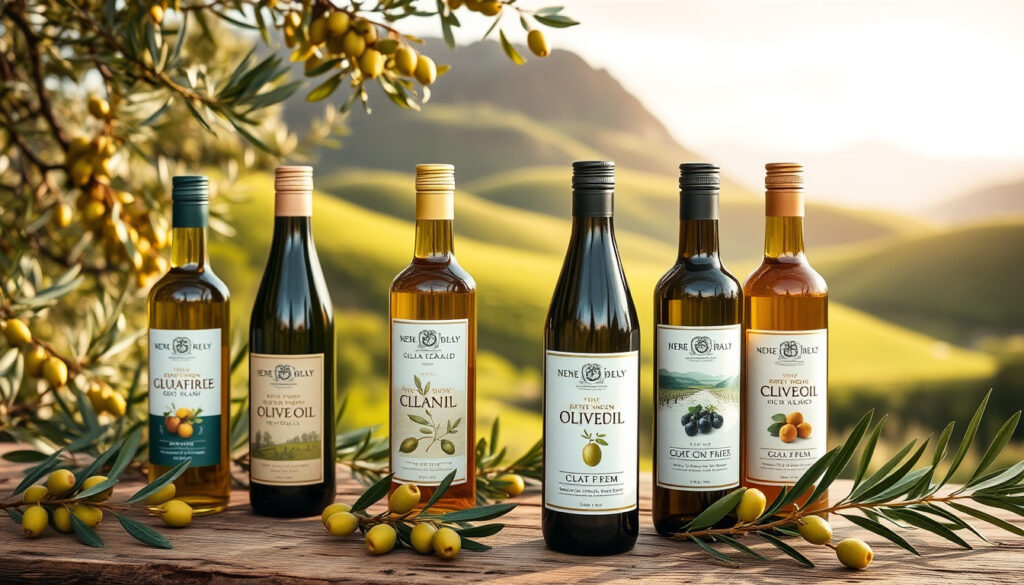
Extra Virgin Olive Oil NZ – Top Brands and Buying Guide
New Zealand’s olive oil industry has blossomed into a serious contender in the global extra virgin market, with boutique producers across the country crafting oils that consistently outrank imported alternatives in freshness and quality. From the sun-drenched valleys of Wairarapa to the dramatic landscapes of Central Otago and Banks Peninsula, local groves are producing award-winning extra virgin olive oils that are winning over chefs and home cooks alike.
The combination of New Zealand’s unique climate, dedicated producers, and commitment to cold-pressing techniques means that locally produced EVOO retains higher levels of beneficial polyphenols compared to many imported options. With a harvest season running from May to July, New Zealand olive oils reach consumers at peak freshness—a significant advantage over oils that may have traveled thousands of kilometers to reach store shelves.
Whether you’re seeking a fruity, herbaceous single-variety oil or a carefully blended premium product, understanding the landscape of New Zealand’s olive oil producers can help you make informed choices about the oils you bring to your table.
What Is the Best Extra Virgin Olive Oil in New Zealand?
Determining the “best” olive oil often depends on personal preference, but New Zealand producers have established an impressive track record of excellence on the international stage. Several brands have earned multiple awards for their commitment to quality, consistency, and innovation in olive oil production.
Key Insights About NZ Extra Virgin Olive Oil
- International Recognition: Loopline Olives has won five consecutive Gold awards at the New York International Olive Oil Competition (NYIOOC) between 2019 and 2023, placing New Zealand firmly on the world olive oil map.
- Geographic Diversity: Premium production regions include Wairarapa, Central Otago, Waiheke Island, and Banks Peninsula, each contributing distinct flavor profiles to New Zealand’s olive oil landscape.
- Varietal Excellence: Producers cultivate Italian, Spanish, Greek, and French olive varieties including Frantoio, Leccino, Picual, and Barnea, creating oils with complex, layered characteristics.
- Harvest Advantages: Local harvesting from May to July ensures superior freshness compared to imported oils that may be months or years old by the time they reach consumers.
- Award-Winning Producers: Robinsons Bay has been crowned “New Zealand’s Best” at the NZ Olive Oil Awards multiple times, including in 2012, 2013, 2015, 2016, and 2023.
- Health Benefits: Cold-pressing techniques at temperatures below 27°C help preserve polyphenols, which offer anti-inflammatory and cardiovascular benefits.
- Small-Scale Excellence: Many top producers are family-run operations focused on quality over quantity, with some groves producing just 300-400 liters annually.
Snapshot Facts
| Fact | Detail |
|---|---|
| Maximum Acidity for EVOO | Less than 0.8% |
| Cold Press Temperature | Below 27°C |
| Primary Growing Regions | Wairarapa, Central Otago, Waiheke Island, Banks Peninsula |
| Harvest Season | May to July |
| Popular Varieties | Frantoio, Leccino, Picual, Barnea |
| Storage Recommendation | 18-24 months from harvest for optimal quality |
| NYIOOC Gold Awards | 5 consecutive wins by Loopline Olives (2019-2023) |
| Top National Recognition | “NZ’s Best” awarded multiple times to Robinsons Bay |
Where to Buy Extra Virgin Olive Oil in NZ
New Zealand consumers have several options for accessing high-quality local extra virgin olive oil, ranging from direct producer purchases to specialty retailers and mainstream supermarkets. Each channel offers distinct advantages in terms of selection, pricing, and authenticity guarantees.
Purchasing Directly from Producers
Buying directly from olive oil producers remains the best way to access the freshest oils and learn about their production methods. Many producers offer online ordering with delivery across New Zealand, making it convenient to stock up on premium oils regardless of your location.
Juno Olives, based in Greytown within the Wairarapa region, sells their award-winning single-variety and flavored oils through their website, offering bottles ranging from 100ml to 2 liters. Loopline Olives in Opaki similarly provides direct sales and has earned international recognition for their consistent quality, with their products certified and featured in the world’s best olive oil index.
Specialty Retailers and Boutique Shops
Specialty retailers like Olivver focus specifically on certified New Zealand and international olive oils, providing expert curation and authentication services. Their premium selections typically range from $44.95 to $84.95, reflecting the quality standards they uphold. On Waiheke Island, locations like Island Grocer stock local productions, offering visitors a chance to taste regional specialties.
When purchasing from specialty retailers, look for certification information and harvest dates. Premium New Zealand producers typically list these details prominently, helping you verify freshness and authenticity.
Supermarket Options
Major supermarket chains including Countdown and New World have expanded their local olive oil offerings in response to import shortages, making New Zealand-produced options more accessible to everyday consumers. Products like Olive Black in 500ml bottles retail for approximately $35, providing a mid-range option for those seeking local quality at supermarket convenience.
Pricing Expectations
Extra virgin olive oil prices in New Zealand vary significantly based on producer, volume, and retail channel. Direct-from-producer purchases typically offer the best value for premium single-variety oils, while specialty retailers command higher prices for their curation expertise and authentication guarantees. Supermarket options occupy the mid-range, providing accessible entry points to New Zealand’s olive oil offerings.
Is New Zealand Extra Virgin Olive Oil High Quality?
The international recognition garnered by New Zealand olive oil producers provides compelling evidence of the country’s ability to produce genuinely high-quality extra virgin oils. Beyond the impressive medal counts, several factors distinguish New Zealand’s approach to olive oil production.
Climate and Growing Conditions
The climates of Wairarapa and Central Otago closely mimic Mediterranean conditions, providing the warm days and cool nights that olive trees need to develop complex flavor compounds and high polyphenol content. These regional characteristics contribute to oils with distinctive fruity, herbaceous, and sometimes peppery profiles that reflect their terroir—much like wine regions around the world.
New Zealand’s geographic isolation has helped maintain disease-free olive stock, contributing to the overall health and quality of domestic production. The Ministry for Primary Industries oversees food safety standards, while the NZ Olive Association promotes industry standards and consumer education.
Small-Scale, Hands-On Production
Many of New Zealand’s most celebrated olive oil producers operate small-scale, family-run groves rather than industrial operations. River Grove Olives in Masterton cultivates approximately 4,000 trees and produces just 300-400 liters annually—a scale that allows for meticulous attention to cultivation, harvesting, and pressing. Similarly, Robinsons Bay on Banks Peninsula maintains around 1,000 trees with hand-harvesting practices that ensure only optimal fruit makes it into their oil.
Polyphenol Retention and Health Benefits
The high polyphenol content in New Zealand olive oils stems from both the favorable growing conditions and the commitment to cold-pressing techniques. Polyphenols serve as natural antioxidants with documented anti-inflammatory and cardiovascular benefits. Research indicates that locally produced oils often retain higher polyphenol levels than imported alternatives due to reduced transportation and storage times.
How to Identify Real Extra Virgin Olive Oil
With olive oil fraud remaining a global concern, knowing how to identify authentic extra virgin olive oil has become increasingly important for consumers. New Zealand’s regulatory framework and producer transparency offer meaningful protections, but informed purchasing decisions remain essential.
Understanding EVOO Standards
Certified extra virgin olive oil must meet specific chemical and sensory criteria. The acidity level must be below 0.8%, and the oil must be cold-pressed at temperatures not exceeding 27°C to qualify as extra virgin. These standards help preserve the beneficial compounds that distinguish premium oils from lower-grade alternatives.
Certification and Testing
New Zealand producers employ various methods to ensure authenticity and quality. Loopline Olives employs dedicated sommeliers who evaluate oils through professional tasting protocols, while retailers like Olivver provide laboratory certification for their curated selections. The Ministry for Primary Industries maintains oversight of food safety standards, and the NZ Olive Association provides consumer guidance on freshness indicators and polyphenol content.
When purchasing olive oil, check for harvest dates on the bottle. Authentic extra virgin olive oil degrades over time—use within 18-24 months of harvest for maximum flavor and health benefits. Oils without clear dating may have lost significant polyphenol content.
Visual and Sensory Indicators
Quality extra virgin olive oil typically exhibits a golden to deep green color, though color alone is not a reliable quality indicator. The aroma should feature fresh, fruity notes rather than stale or chemical scents. Taste testing reveals the characteristic peppery finish associated with high polyphenol content—a sign of genuine extra virgin quality.
The Evolution of New Zealand’s Olive Oil Industry
New Zealand’s olive oil industry represents a relatively recent agricultural development that has matured rapidly over the past two decades. The timeline below highlights key milestones in the sector’s growth from experimental beginnings to international recognition.
- — Lot Eight establishes origins in Martinborough, pioneering commercial olive cultivation in New Zealand
- — Major grove plantings establish Wairarapa and Central Otago as primary production regions
- — River Grove Olives founded in Masterton, beginning their award-winning production journey
- — Robinsons Bay established on Banks Peninsula, later becoming multiple-time national champion
- — Robinsons Bay wins first “New Zealand’s Best” award at NZ Olive Oil Awards
- — Loopline Olives begins their consecutive NYIOOC Gold award streak
- — Robinsons Bay recaptures “New Zealand’s Best” title; industry recognition reaches new heights
- — Continued growth in domestic production amid European supply challenges
Facts vs Fiction: Understanding NZ Extra Virgin Olive Oil
Misconceptions about olive oil quality, origins, and characteristics persist in the marketplace. Separating established facts from common myths helps consumers make more informed purchasing decisions.
| Common Belief | Established Reality |
|---|---|
| All olive oils taste essentially the same | New Zealand varietals produce distinctly different flavor profiles—fruity, herbaceous, peppery, or buttery depending on olive variety and growing conditions |
| Imported olive oils are always superior | Many New Zealand producers outperform international competitors in freshness, polyphenol retention, and award competitions; local oils arrive at table fresher than aged imports |
| Harvest variability makes annual quality inconsistent | Annual awards like those from the NZ Olive Oil Awards and NYIOOC confirm that top producers maintain consistent excellence year over year |
| Higher price always means better quality | Quality exists across price ranges; supermarket options like Olive Black offer solid quality at accessible prices, while specialty retailers provide premium curation for discerning buyers |
| Olive oil should taste mild and neutral | Genuine extra virgin olive oil exhibits distinct fruity, grassy, or peppery notes; bland flavor may indicate refined rather than extra virgin product |
Why Choose NZ Extra Virgin Olive Oil
Selecting New Zealand-produced extra virgin olive oil offers advantages that extend beyond flavor considerations. The environmental impact of local production is significantly lower than imported alternatives, with reduced transportation distances contributing to a smaller carbon footprint. Additionally, supporting local producers helps sustain agricultural diversity and maintains expertise within New Zealand’s food production sector.
The freshness advantage deserves particular emphasis. When olive oil is pressed in May through July and reaches consumers within weeks or months, it retains substantially more of the volatile compounds and polyphenols that provide both health benefits and distinctive flavor. Imported oils may spend months or years in storage and transit before reaching store shelves, resulting in degraded quality that no amount of premium branding can overcome.
What the Experts Say About NZ Olive Oil
Industry experts and culinary professionals have increasingly recognized New Zealand’s emergence as a serious olive oil producer. The consistent performance of producers like Loopline Olives at the NYIOOC—the world’s largest olive oil quality competition—validates what local producers have long maintained about their products’ caliber.
The New York International Olive Oil Competition Official Index has featured multiple New Zealand producers among the world’s best, with Loopline Olives’ five consecutive Gold medals representing remarkable consistency in an industry known for annual variability.
Consumer guidance from the NZ Olive Association emphasizes checking harvest dates and seeking certified products to ensure authenticity—a standard that responsible producers readily meet by providing transparent production information.
TasteAtlas rankings have included New Zealand producers like Telegraph Hill among the country’s top-rated olive oils, confirming domestic quality across multiple producer tiers rather than just at the premium apex.
Making the Right Choice
New Zealand’s extra virgin olive oil industry has earned its place on the world stage through consistent quality, innovative production methods, and a commitment to freshness that many international competitors cannot match. Whether purchasing directly from boutique producers or selecting from supermarket offerings, consumers can feel confident that quality options exist across multiple price points and retail channels.
For those exploring options beyond kitchen staples, comparing premium selections from producers like Juno Olives or Loopline Olives with accessible supermarket alternatives provides insight into the range of quality available within New Zealand’s olive oil landscape. As with many agricultural products, understanding the source, harvest date, and production methods transforms a simple ingredient into an informed choice that supports both personal health and local producers.
For more guidance on selecting quality products for your home, explore our comprehensive Harvey Norman Lounge Suites Guide or discover additional lifestyle resources in our Ozempic NZ Buy Online Guide.
Frequently Asked Questions
What are the health benefits of extra virgin olive oil?
Extra virgin olive oil contains high levels of polyphenols, which act as antioxidants with anti-inflammatory properties. Regular consumption has been linked to improved cardiovascular health, better blood sugar regulation, and potential protective effects against certain chronic conditions.
How should I store extra virgin olive oil?
Store olive oil in a cool, dark place away from heat sources and direct sunlight. Exposure to light and warmth accelerates degradation. Once opened, use within several months and keep the bottle tightly sealed to minimize oxidation.
How long does extra virgin olive oil last?
For optimal quality and health benefits, use extra virgin olive oil within 18-24 months of its harvest date. Check the bottle for harvest or pressing information, as many premium New Zealand producers print this detail prominently.
What does “cold-pressed” mean?
Cold-pressed indicates that the oil was extracted at temperatures below 27°C. This lower temperature helps preserve the natural flavors, aromas, and beneficial compounds like polyphenols that can degrade when exposed to higher heat during extraction.
Why is New Zealand olive oil fresher than imported options?
New Zealand’s harvest season runs from May to July, and local oils reach consumers within weeks or months of pressing. Imported olive oils may spend months in transit and storage before reaching store shelves, resulting in degraded flavor and reduced polyphenol content.
What makes extra virgin olive oil different from regular olive oil?
Extra virgin olive oil must meet strict chemical and sensory standards, including acidity below 0.8% and absence of flavor defects. Regular olive oil is often refined and lacks the distinctive flavor compounds and health benefits found in properly certified extra virgin products.
Are there many local olive oil producers in New Zealand?
New Zealand has a growing network of boutique producers concentrated in regions like Wairarapa, Central Otago, Waiheke Island, Banks Peninsula, and Nelson. While production volumes remain modest compared to Mediterranean producers, quality consistently matches or exceeds international standards.
What olive varieties are grown in New Zealand?
Producers cultivate varieties originally from Italy, Spain, Greece, and France, including Frantoio, Leccino, Picual, and Barnea. These Mediterranean varieties have adapted well to New Zealand’s climate, producing oils with complex flavor profiles that reflect their genetic heritage.
More related posts
 Yen to NZ Dollar: Exchange Rate, Comparison, and Living Costs Guide
 Kafka on the Shore: Book Summary, Difficulty & Why Gen Z Loves It
 What National Day Is It Today? UK, Ireland, UAE Guide
 Samsung Galaxy S25 Ultra: Price, Specs & Ireland Deals
 PAW Patrol: The Movie Poster – Where to Buy & Value
 Airbus A330-200: Specifications, Comfort, and Best Seats Guide
 Temple of the Sun at Machu Picchu: History & Significance
 Best Accounting Software for Architects: Xero, Deltek & More
