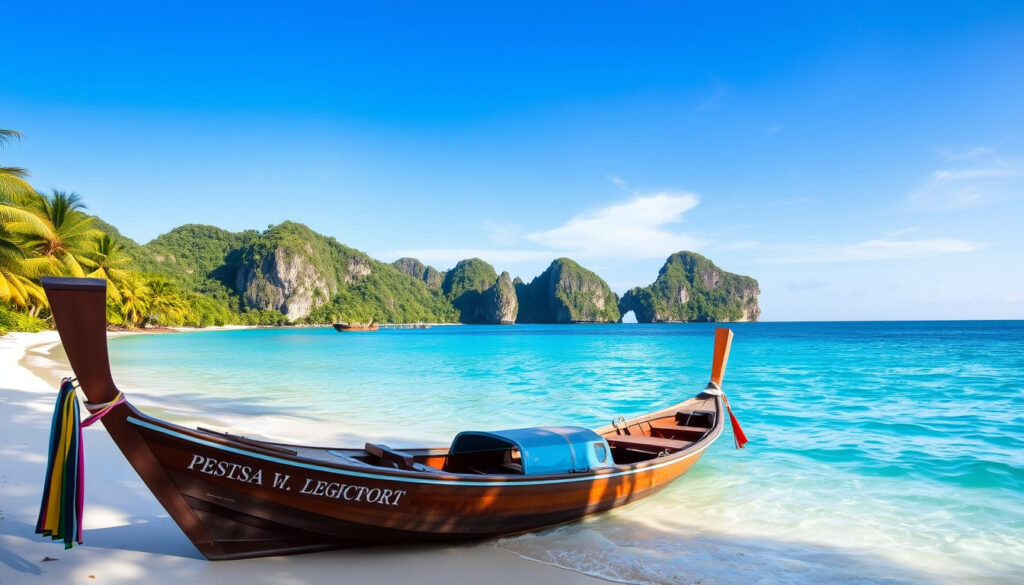
Things to Do in Thailand: Attractions, Budget, Dos and Don’ts
Thailand delivers on every postcard promise with ancient temples, bustling street markets, and tropical beaches. But to experience the country beyond the tourist trail, you’ll need to know local customs like covering shoulders and knees when visiting the Grand Palace (ThaiEmbassy.com, official visa & customs guide).
Street food family meal: under US$10 ·
Temple dress code: covered shoulders & knees ·
Politeness marker: add “krub” or “ka” when speaking
Quick snapshot
- The Grand Palace is a must-see landmark in Bangkok (ThaiEmbassy.com, official customs guide)
- Street food is generally safe when cooked fresh (Wandering Wagars, family travel blog)
- Temples require modest dress (covered shoulders and knees) (ThaiEmbassy.com)
- Thailand has a strict lèse‑majesté law protecting the monarchy (Responsible Thailand, ethical travel guide)
- The “3 day rule” is not a formal law; it may refer to a superstition or cultural practice
- Whether wearing no underwear is illegal is ambiguous – no recent enforcement recorded
- The exact #1 cause of death varies by year; road accidents are a leading cause for tourists
- No major timeline changes expected for travel regulations in 2025
- Check visa updates and seasonal weather before booking
Thailand’s key stats at a glance: compact reference for your planning.
| Label | Value |
|---|---|
| Capital | Bangkok |
| Population | 71.8 million (2024) |
| Currency | Thai Baht (THB) |
| Official Language | Thai |
| Time Zone | ICT (UTC+7) |
| Driving Side | Left |
The implication: these basics help you orient before diving into itineraries.
What are the top 5 things to do in Thailand?
Visit the Grand Palace and Wat Pho in Bangkok
- The Grand Palace, built in 1782, is Bangkok’s most famous landmark and a former royal residence. Visitors must cover shoulders and knees to enter (ThaiEmbassy.com, official customs guide).
- Adjacent Wat Pho houses the 46‑meter‑long reclining Buddha and is known as the birthplace of traditional Thai massage (ThaiEmbassy.com).
The implication: these two sites alone can fill a morning, so plan an early start to beat the heat and crowds.
Explore the ancient temples of Chiang Mai
- Chiang Mai has been a cultural capital for centuries, with over 300 temples (Condé Nast Traveler, travel magazine). Doi Suthep temple on the mountain offers panoramic views of the city.
- Visitors should show respect by removing shoes before entering temple buildings (ThaiEmbassy.com).
The trade‑off: Chiang Mai’s popularity means busy spots, but many smaller wats remain quiet and equally beautiful.
Relax on the beaches of Phuket and Krabi
- Phuket’s Patong Beach is famous for nightlife, while quieter Krabi beaches like Railay offer limestone cliffs and clear water. According to Condé Nast Traveler, the region’s beach culture is best enjoyed with respect for local customs (Condé Nast Traveler).
- Many resorts now promote responsible tourism, such as avoiding single‑use plastics.
The pattern: choose your beach based on vibe – Patong for parties, Railay for serenity.
Take a cooking class in Chiang Mai
- Thai cooking classes are a top activity, often visiting local markets first to source ingredients. Family‑friendly classes cost around US$30 per person, making them an affordable cultural experience (Wandering Wagars, family travel blog).
- Participants learn to make staples like pad thai and green curry.
Why this matters: a cooking class gives you a skill to take home, not just a souvenir.
Go island hopping in the Andaman Sea
- Tours from Phuket or Krabi visit Phi Phi Islands, James Bond Island, and the Similan Islands (Responsible Travel, sustainable tourism advisor).
- Responsible operators avoid overcrowded spots and respect marine protected areas.
The catch: to avoid environmental damage, choose operators that follow sustainable practices – ask before booking.
First‑time visitors often try to cram all five into a week, but that leads to burnout. Picking two or three and slowing down yields a richer experience.
What activities do people do in Thailand?
Temple visits and cultural tours
- Thailand has over 40,000 temples (Condé Nast Traveler). Many are free or charge a small fee (50–100 THB).
- Guided tours provide historical context and ensure respectful behavior.
Beach activities and water sports
- Scuba diving spots like Koh Tao are world‑renowned, with affordable certification courses (around 10,000 THB). According to Responsible Travel, the best diving season is November to April (Responsible Travel).
- Snorkeling, kayaking, and paddleboarding are widely available.
Street food tours and night markets
- Street food is central to Thai culture. Family meals can be had for under US$10 (Wandering Wagars).
- Popular tour includes Chiang Mai Night Bazaar and Bangkok’s Yaowarat Road in Chinatown.
Jungle trekking and elephant sanctuaries
- Ethical elephant sanctuaries, such as Elephant Nature Park in Chiang Mai, allow observation without riding. Responsible Thailand urges travelers to avoid elephant shows or riding (Responsible Thailand, ethical travel guide).
- National parks like Khao Sok offer trekking, canoeing, and waterfall visits (Responsible Travel).
Thai massage and spa treatments
- Traditional Thai massage is recognized by UNESCO as an intangible cultural heritage (ThaiEmbassy.com). Expect to pay 250–500 THB for a one‑hour massage at local parlors.
- Spas range from high‑end resorts to simple street‑side shops.
The pattern: the diversity of activities means you can tailor your trip to your interests – whether culture, nature, or relaxation.
Do and don’ts in Thailand for tourists?
Respect the monarchy and religion
- Lèse‑majesté laws are strictly enforced; any criticism of the royal family can lead to imprisonment (Responsible Thailand).
- Stand for the national anthem (played at 8am and 6pm in public places) (Responsible Thailand).
Dress modestly when visiting temples
- Covered shoulders and knees are required for both men and women (ThaiEmbassy.com).
- Remove shoes before entering temple buildings or private homes (ThaiEmbassy.com).
Avoid touching people’s heads
- The head is considered the most sacred part of the body. Even patting a child’s head can cause offense (ThaiEmbassy.com).
Don’t point your feet at Buddha images
- Feet are considered the lowest part of the body. Pointing them at Buddha statues or people is disrespectful (ThaiEmbassy.com).
- When sitting, tuck your feet behind you.
Be mindful of local customs and etiquette
- Public displays of affection are frowned upon, especially in rural areas (Wandering Wagars, family travel blog).
- Use “krub” (for men) or “ka” (for women) at the end of sentences to sound polite (ThaiEmbassy.com).
The most common mistake tourists make is assuming Thai etiquette mirrors Western norms. A gentle wai greeting and a calm tone go a long way.
Is $30,000 enough for a Thailand trip?
Budget breakdown for a luxurious trip
- With $30,000, a couple can enjoy a month‑long luxury trip. Average luxury hotel cost: $200–$500 per night (Condé Nast Traveler).
- Fine dining in Bangkok ranges $50–$100 per meal. Private tours and first‑class flights can eat a large portion of the budget.
How long can you stay with $30,000?
- At luxury spending, about 30–45 days. By mixing mid‑range accommodation ($50–$100/night) and street food, the same money could cover 2–3 months.
Comparing costs: luxury vs. mid‑range vs. budget
These price ranges show how far your money stretches depending on comfort level.
| Category | Luxury | Mid‑range | Budget |
|---|---|---|---|
| Hotel/night | $200–$500 | $50–$100 | $15–$30 |
| Meal | $50–$100 | $10–$25 | $2–$5 (street food) |
| Transport | Private driver $100/day | Grab taxi $15–$30/day | Songthaew/bus $3–$10/day |
The trade‑off: $30,000 is generous for Thailand. The real choice is between comfort and duration – how many months vs. how much pampering.
Hidden costs and tips to stretch your budget
- Visa extensions, internal flights, and alcohol can add up. Keep cash for markets and small purchases (Wandering Wagars).
- Tipping is not mandatory but rounding up is appreciated (Wandering Wagars).
How much does a Thailand trip cost from India?
Flight costs from major Indian cities
- Round‑trip flights from Delhi start at $300 (Wandering Wagars, family travel blog).
- From Mumbai or Bangalore, prices are similar, with budget carriers like AirAsia and Indigo offering frequent deals.
Accommodation options for Indian travelers
- Budget hotels cost $15–$30 per night. Indian food is widely available in tourist areas (Wandering Wagars).
- Many Indian travelers prefer hotels with vegetarian options and proximity to Indian restaurants.
Daily food and transportation expenses
- Street food meals cost $2–$5. Grab taxis or tuk‑tuks are common; for longer distances, domestic flights are affordable (Condé Nast Traveler).
Visa fees and other charges
- Visa on arrival fee is $30 for Indian passport holders, payable in Thai baht at the airport.
- Overstay fines: 500 THB per day.
Sample budget for a 10‑day trip
This table gives a realistic estimate for an Indian traveler on a budget.
| Item | Budget (US$) |
|---|---|
| Round‑trip flight (Delhi–Bangkok) | 350 |
| 10 nights budget hotel | 200 |
| Food & drink | 100 |
| Local transport | 60 |
| Sightseeing & activities | 100 |
| Visa fee | 30 |
| Total | 840 |
The pattern: a 10‑day trip from India ranges $500–$1,500 depending on comfort level. For budget travelers, staying under $1,000 is realistic.
Pros and Cons
Upsides
- Rich cultural heritage with temples, festivals, and local traditions
- World‑class beaches and natural parks
- Low cost of living makes travel affordable for many budgets
- Friendly locals and strong tourism infrastructure
- Delicious and varied street food culture
Downsides
- Intense heat and humidity, especially April–May
- Cultural misunderstandings can cause offense if not careful
- Overcrowding in popular destinations (Phuket, Bangkok)
- Scams and overcharging common in tourist areas
- Environmental strain from mass tourism
How to Plan Your Thailand Trip in 5 Steps
- Choose your season: November to March is dry and cool. Avoid April–May for extreme heat.
- Secure visa: Indian passport holders get visa on arrival for $30. Check current requirements on official Thai embassy site (ThaiEmbassy.com).
- Book flights early: Use fare comparison sites; budget airlines from Delhi start at $300 round trip (Wandering Wagars).
- Pack light but smart: Include modest temple attire, sunscreen, and insect repellent. Cash is king in markets (Wandering Wagars).
- Plan an itinerary that mixes top sights with off‑the‑beaten‑path spots: Sukhothai instead of Ayutthaya for quieter ruins (Thailand Starts Here, off‑the‑beaten‑path guide).
What We Know and What’s Still Unclear
Confirmed
- The Grand Palace is a must‑see attraction in Bangkok.
- Street food in Thailand is generally safe when cooked fresh.
- Temples require modest dress (covered shoulders and knees).
- Thailand has a strict lèse‑majesté law protecting the monarchy.
What’s Unclear
- The “3 day rule” is not a formal law; it may refer to a superstition or cultural practice.
- Whether wearing no underwear is illegal is ambiguous – no recent enforcement recorded.
- The exact #1 cause of death varies by year; road accidents are a leading cause for tourists.
What Travel Observers Say
Thailand offers a perfect blend of ancient temples, tropical beaches, and vibrant cities.
— Condé Nast Traveler, travel magazine
Thailand is a land of smiles, rich in culture and natural beauty.
— ThaiEmbassy.com, official customs guide
Choosing ethical elephant sanctuaries and responsible tour operators ensures future generations can enjoy Thailand’s wonders.
— Responsible Thailand, ethical travel guide
Summary: Why Thailand Still Rewards the Curious Traveler
Thailand isn’t just a bucket‑list destination; it’s a culture that asks for respect as much as it offers wonder. The visitor who learns a few Thai words, dresses modestly at temples, and ventures beyond the neon signs will find a country that delivers far more than Instagram shots. For Indian travelers on a budget, the math works: $500–$1,500 for a 10‑day trip that includes beaches, temples, and street‑food feasts. The choice is clear: plan thoughtfully, travel respectfully, and you’ll leave wanting to return.
Related reading: Things to Do in Taupō: Best Activities & Itineraries · 17 Best Things to Do in Paihia, New Zealand (Free + Family-Friendly)
whereintheworldistosh.com, facebook.com, thegomesguide.substack.com, tripadvisor.com, reddit.com, youtube.com
Frequently Asked Questions
What is the best time to visit Thailand?
November to March offers cool and dry weather ideal for beach and city exploration.
Do I need a visa for Thailand?
Many nationalities get visa on arrival for 30 days. Indian passport holders pay $30 at the airport (ThaiEmbassy.com).
What should I pack for a Thailand trip?
Light clothing, temple‑appropriate cover‑ups, sunscreen, insect repellent, and cash. Umbrella during rainy season (June–October).
Is Thailand safe for solo travelers?
Yes, but exercise common sense: avoid isolated areas at night, secure valuables, and be cautious with street food hygiene (Wandering Wagars).
What are the must‑try foods in Thailand?
Pad thai, green curry, tom yum soup, mango sticky rice, and som tam (papaya salad). Street stalls are often the best.
How do I get around Thailand?
Domestic flights (Bangkok ↔ Chiang Mai ~$50), trains (sleepers to Chiang Mai), buses, and songthaews (shared taxis).
What are the best islands to visit in Thailand?
Phuket (developed), Koh Samui (family‑friendly), Koh Tao (diving), Krabi’s Railay (climbing), and Koh Lanta (relaxed).
More related posts
 Darling in the Franxx – Plot, Characters and Ending Guide
 Stuff News Christchurch Today: Latest Updates
 Things to Do in Taupō: Best Activities & Itineraries
 Melbourne City FC vs Buriram United – AFC Round of 16 Preview
 Paul and Carina MAFS: Breakup, New Partners & Controversy
 Year of the Rat: Personality, Luck, Compatibility for 2026
 Galaxy S20 FE to Buy: Is It Still Worth It in 2025
 The Summer I Turned Pretty Season 3: Episodes & Ending
